You should not have to face a contaminated room alone after a death, injury, or other traumatic event. Disaster Pros helps you understand the cleanup and take the next step without handling affected materials yourself. Our League City team provides clear answers about access, belongings, cleaning, and the work that follows. Call (888) 365-5480 for discreet assistance, and tell us what matters most to your family or business.
League City, TX
Local Help When You Need It
Discreet & Professional
20 Years Experience
Call (888) 365-5480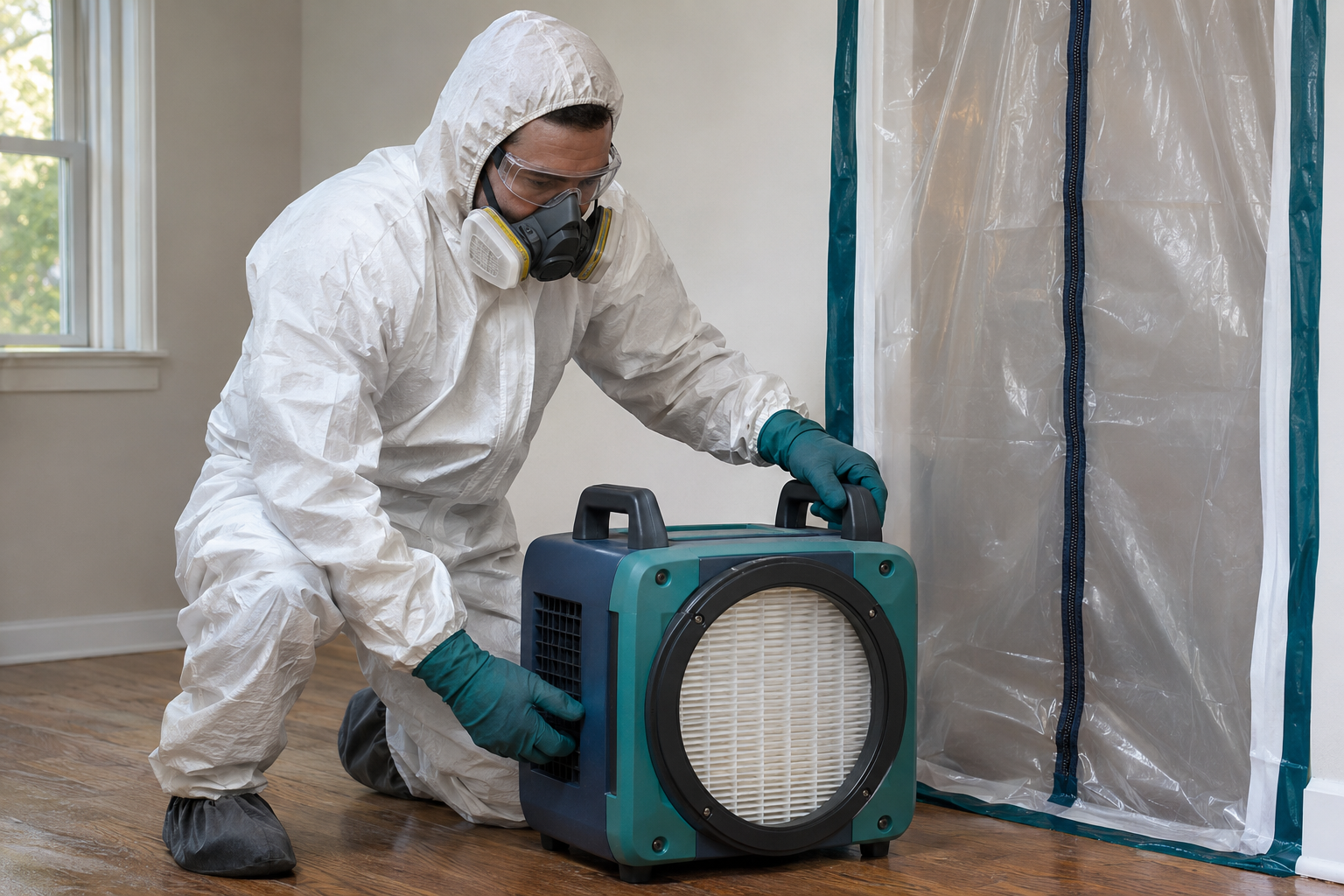
Support that puts your concerns first
You might be worried about a loved one’s belongings, reopening a business, or letting neighbors know what happened. We explain the property work privately and establish who should receive updates. Before work starts, you receive a scope that identifies affected areas and proposed material removal. You remain involved in decisions.
Our 24-hour phone support gives you somewhere to start. Tell us whether emergency responders are present and whether anyone has restricted entry. We confirm scene-release requirements before arranging work in a controlled area. Once access is authorized, an on-site assessment identifies the cleanup needs.
Biohazard cleanup in League City after authorized access
The Police Records Management Unit handles reports and public-information requests. Its guidance explains how to request a complete report when online records are insufficient. Receiving paperwork does not mean investigators have released an affected room. Confirm permission with the agency controlling the scene, and share any remaining restrictions when you call us.
For cases handled by the Galveston County Medical Examiner, its family FAQ addresses that office’s responsibilities. Questions about remains and investigation records belong with the responsible office or funeral provider. We focus on restoring the affected space after the required release. Keeping those roles separate helps you reach the right person.
Thorough blood cleanup protects more than appearances
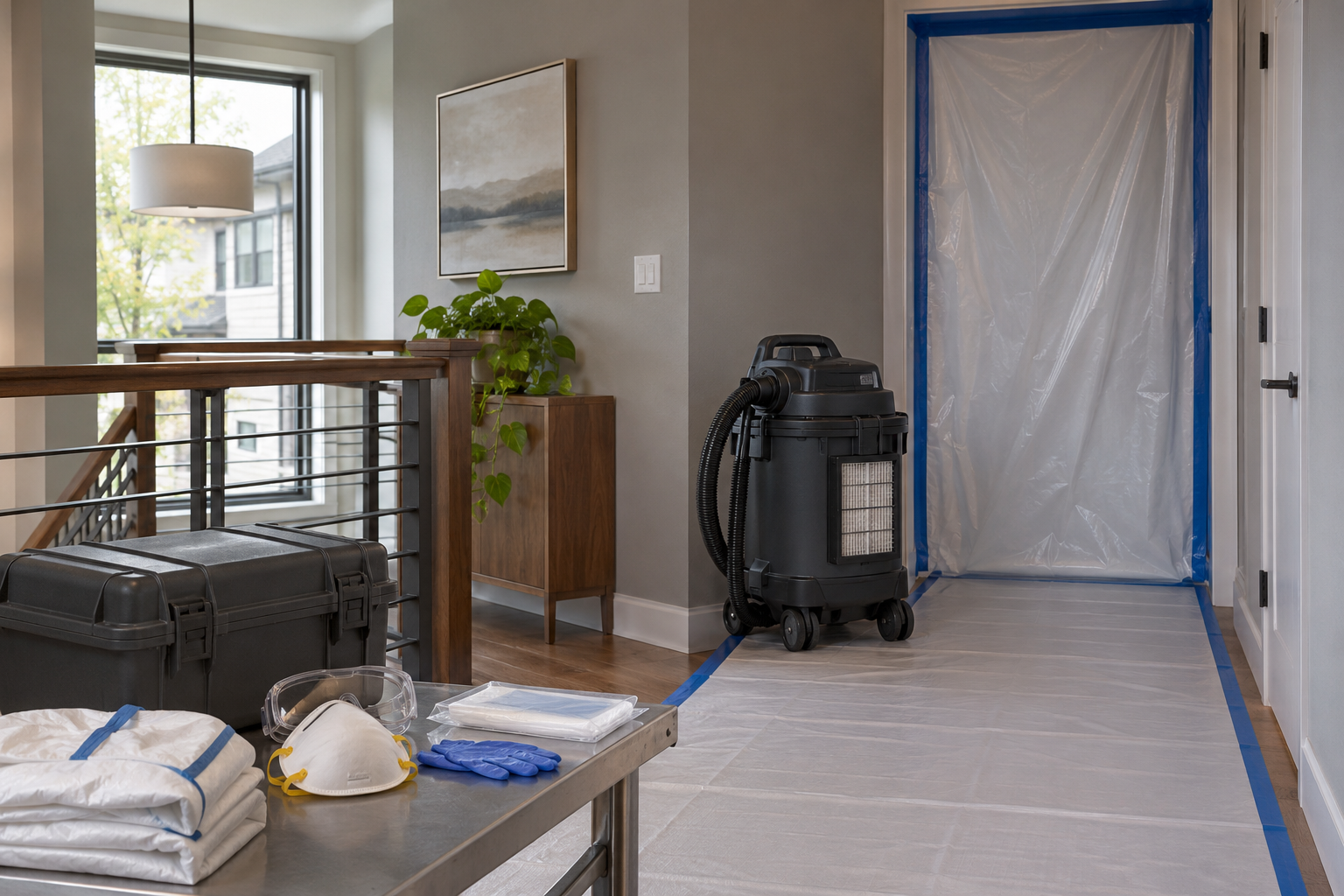
A visible stain does not reveal everything that needs attention. During a blood cleanup assessment, we examine affected finishes, seams, padding, and other accessible materials. Containment separates the work area, and technicians use protective equipment appropriate to the task. We explain which porous materials need removal.
The cleaning plan also accounts for how equipment and contained waste leave the building. Accessible affected surfaces are cleaned before suitable EPA-registered disinfectants are applied according to product labels. HEPA air scrubbers support particle control where the assessed work requires them. Appropriate waste containment, transport, and disposal arrangements keep removed materials out of ordinary household waste streams.
Unattended death cleanup addresses the odor source
Persistent odors often create understandable concern about whether the work is finished. Our unattended death cleanup scope looks for affected materials. Odor treatment follows removal and cleaning of the identified source. If contamination extends beneath flooring or behind a finish, we explain the additional access before expanding approved work.
Our completion review compares the work with the agreed scope and identifies unresolved access limitations. You receive an explanation of removed materials and areas that require repair. Cleaning documentation and available photographs help describe the loss to your insurance adjuster. Your insurer determines coverage, while we explain the property work and the records available to support its review.
Careful work in homes, shared buildings, and businesses
The local Historic Overlay District includes residential and nonresidential buildings subject to design guidance. Existing flooring and wall layers also affect access to contamination in older structures. We distinguish necessary cleanup removal from later reconstruction decisions. Before alterations affect protected features, owners should check the applicable city requirements.
In condos and rental buildings, we coordinate access with the authorized owner or property manager. Shared hallways, neighboring units, and occupied rooms belong in the plan from the start. Business managers also need practical boundaries around staff routes and customer areas. We explain those arrangements so people outside the work area receive useful instructions without private incident details.
Suicide cleanup calls deserve patience, respect, and direct answers. You do not need to sort affected belongings or attempt cleaning before contacting us. For crime scene cleanup, we follow authorized access restrictions. Our broader trauma cleanup services provide help after other incidents involving contaminated materials.
Answers before you arrange cleanup
Who authorizes League City cleanup after police leave?
Confirm release with the investigating agency, even if officers are no longer outside. A report request does not establish permission to begin cleaning. Ask whether any rooms or materials remain restricted. Give us that information so the assessment respects those limits.
Who answers questions about a Galveston County medical-examiner case?
The responsible Medical Examiner’s Office answers questions within its investigation and family-service role. Its published FAQ offers a starting point for cases it handles. Confirm the assigned office before directing questions about remains or official records. Our team answers separate questions about cleaning the building and its contents.
Will cleanup damage historic finishes?
We assess the affected materials and explain proposed removal before you approve the scope. Some contaminated porous finishes require removal rather than cosmetic cleaning. Later changes to protected building features need attention to city guidance. You should understand both the cleanup needs and the separate repair decisions.
Do I need to empty the room first?
Please leave potentially contaminated belongings where they are. Moving them through unaffected rooms creates additional cleanup concerns. Describe important possessions when you call, and identify the person authorized to make decisions. We explain handling options during the assessment.
Can you help with insurance records?
We document the agreed cleanup scope and explain available work records. Ask your insurer which photographs, invoices, or other details it requires. Share the adjuster’s requests with your designated cleanup contact. Coverage and payment decisions remain with your insurance company.
Let us help you take the next step
Call (888) 365-5480 for respectful League City cleanup assistance. We also serve nearby Houston, Pearland, and Pasadena. Start with the address, what happened, and any limits on entry. We will explain how to arrange an assessment and help you move forward with a clear plan.